Buy kinderskischule.eu ?
We are moving the project
kinderskischule.eu .
Are you interested in purchasing the domain
kinderskischule.eu ?
domain@kv-gmbh.de · 0541-91531010
Buy kinderskischule.eu ?
What are math coefficients?
Math coefficients are the numerical factors that are multiplied by variables in algebraic expressions or equations. They represent the scale or magnitude of the variable in the expression. For example, in the expression 3x + 5, the coefficient of x is 3. Coefficients are important in understanding the behavior and relationships between variables in mathematical equations and expressions. **
What are coefficients in chemistry?
In chemistry, coefficients are the numbers placed in front of chemical formulas in a balanced chemical equation. These coefficients represent the ratio of moles of each substance involved in the reaction. Coefficients are used to balance chemical equations by ensuring that the number of atoms of each element is the same on both sides of the equation. They help in determining the stoichiometry of a reaction, which is the quantitative relationship between reactants and products in a chemical reaction. **


Similar search terms for Coefficients
Top-Angebote
Products related to Coefficients:
-
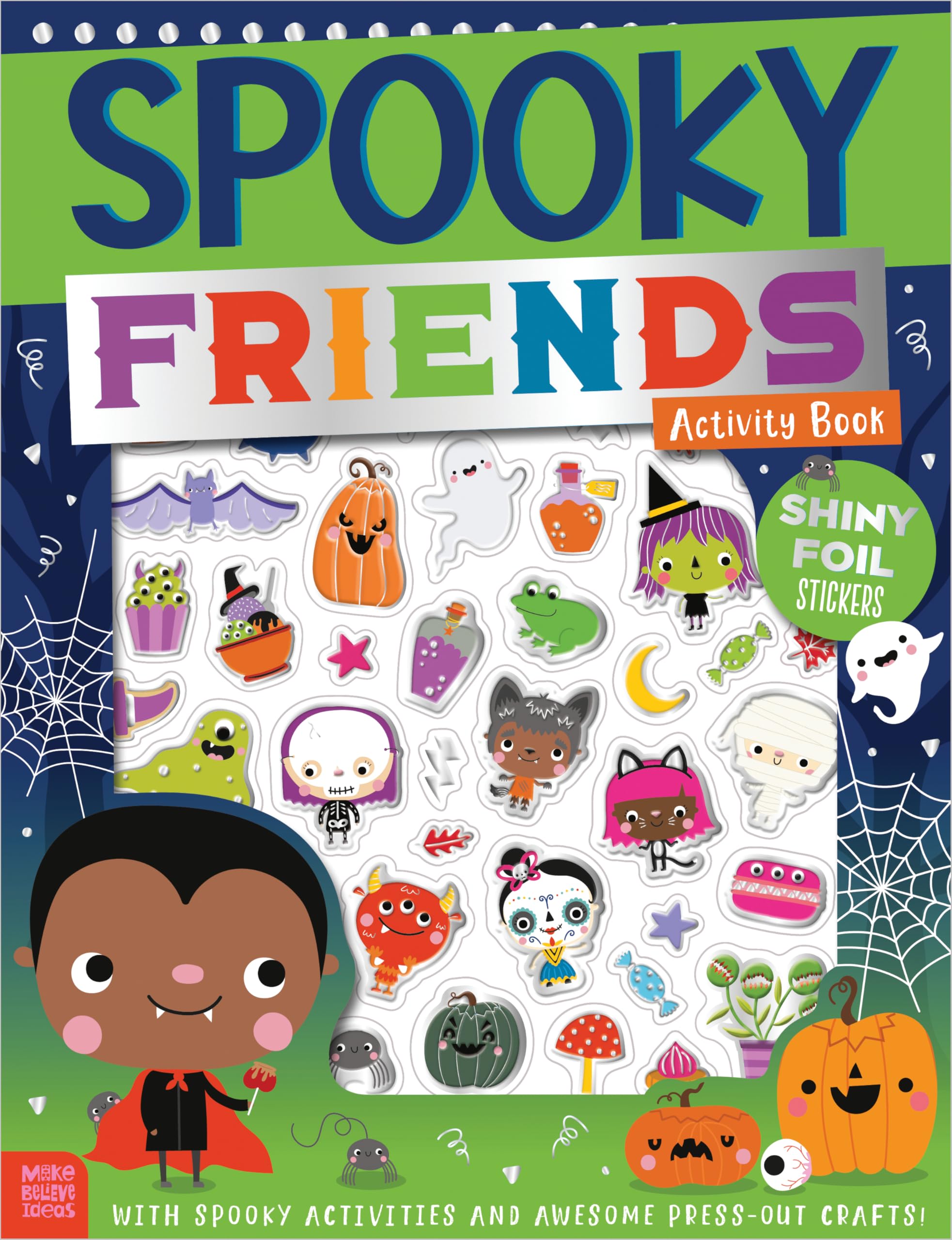
Make Believe Ideas Spooky Friends Activity Book Fun Halloween Activities for ChildrenSpooky Friends introduces kids aged 4+ to a ghoulish gang of friends and monsters. This activity book is filled with Halloween-themed puzzles and colouring pages, taking place in many creepy locations, from a haunted house to a frightful fairground. There are also fun card crafts to press out and play with and shiny foil stickers to use. Spooky Friends is the perfect gift for children who love Halloween!4,99 £*Shipping: 1,99 £Secure redirect to the provider
-
Enesco/Dept 56 Snow Much Fun Clothtique Red , RedThis pup always has Snow Much Fun snow tubing with Santa! The duo wears classic Santa hats as they slide through the glittery snow. Santa wears a shiny red jacket, a striped scarf, and a green bag of toys. One present on a spring appears to be...95,99 $*Shipping: 18,95 $Secure redirect to the provider
-
JoyToys Interactive Dancing Duck, Flashing Light, Shaking Body & Musical Fun Adorable Electric Toy For Children & Toddlers Interactive Dancing Duck, Flashing Light, Shaking Body & Musical Fun Adorable Electric Toy For Children & ToddlersLooking for a funny, interactive toy that will light up your childs face Our Electric Dancing Duck is here to entertain with its blinking eyes, flashing lights, and musical charm! This cute cartoon animal toy shakes its body to the rhythm, making it...34,97 $*Shipping: 0,00 $Secure redirect to the provider
-
MACMILLAN Amazing Machines Big Truckload Of Fun Children Collection Tony Mitton 14 Books SetAmazing Machines Truckload Children Collection Tony Mitton - 14 Books Set Amazing Airplanes A plane is big and heavy, yet it climbs up really high. It zooms along the runway and soars into the sky. Flashing Fire Engines Join the brave animal fire fighters as they rush up to blazing buildings, hose down sizzling flames and save the day using their fabulous fire engine.' Cool Cars Cars are really handy for getting us around. They whizz about on busy roads and make a zoomy sound. Roaring Rockets Perfect for machine-mad toddlers! Busy Boats Come aboard with a crew of wacky animal sailors in this bright and breezy picture book. Machine-mad preschoolers will love learning about all different types of boats - from sailboats and fishing trawlers to ferries and luxury liners. Super Submarines To listen to the story and follow along with page turn cues. This popular picture book series makes learning about vehicles more fun than ever before. Each of the 'Amazing Machines' books features lively rhyming text and bold, bright pictures of fun animal characters. Dazzling Diggers In Dazzling Diggers, a wacky animal crew take charge, inviting children to join them on the building site. This text makes learning about machines fun for young children. Tough Trucks From rubbish trucks to concrete mixers, from tippers to tankers, this jolly picture book includes all different types of trucks. Machine-mad preschoolers can go along on a fantastic truck ride, learning about where the drivers eat and sleep while they are on the road. Tremendous Tractors Climb aboard a tractor with a trio of friendly farmers in this playful picture book. Covering everything from planting seeds and ploughing to harvesting crops, this jolly book provides a fun introduction to farm vehicles - always a favourite theme for preschoolers. Terrific Trains Join a wacky animal trio on a terrific journey by train as they whizz along the track, slow down for a level crossing, rumble through a tunnel and pull up finally at the station in this picture story book for the youngest of readers. Awesome Ambulances Turn on the siren and zoom down the streets with some animal paramedics in this cheerful picture book all about ambulances. Lively wordplay, vibrant art, plus a visual dictionary, make this title a must-have for bookshelves everywhere. High-Flying Helicopters Buckle up to learn all about helicopters! High-Flying Helicopters follows the animal crew as they become pilots. Each page is full of the kind of detail that machine-mad kids love: rotor blades, the cockpit, air ambulances, mountain rescue, and much more! Marvelous Motorcycles Marvelous Motorcycles follows the animal gang as they become motorcyclists cruising down the street. Join them as they learn how to ride a motorcycle and what different types of motorcycles can do. Each page is filled with details that machine-mad kids will love: scooters, dirt bikes, stunt bikes, and much more! Patrolling Police Cars Patrol...17,49 £*Shipping: 2,99 £Secure redirect to the provider


-
How are extinction coefficients calculated?
Extinction coefficients are calculated by measuring the absorbance of a substance at a specific wavelength using a spectrophotometer. The absorbance value is then used in the Beer-Lambert law equation, A = εlc, where A is the absorbance, ε is the extinction coefficient, l is the path length of the sample, and c is the concentration of the substance. By rearranging the equation, the extinction coefficient (ε) can be calculated by dividing the absorbance (A) by the product of the path length (l) and concentration (c) of the substance. **
-
How do you determine the coefficients?
The coefficients in a mathematical equation are determined through a process called regression analysis. This involves using statistical techniques to find the best-fitting line or curve that represents the relationship between the variables in the equation. The coefficients are then calculated based on the data points and the specific regression model being used, such as linear regression or polynomial regression. The goal is to find the coefficients that minimize the difference between the predicted values from the model and the actual observed values in the data. **
-
How do I determine the coefficients?
To determine the coefficients in a mathematical equation, you can use various methods depending on the type of equation. For linear equations, you can use the method of substitution or elimination to solve for the coefficients. For quadratic equations, you can use the method of completing the square or the quadratic formula to find the coefficients. In general, you can also use regression analysis or curve fitting techniques to determine the coefficients in a more complex equation. **
-
How do you calculate the extinction coefficients?
The extinction coefficient, also known as molar absorptivity, is calculated using the Beer-Lambert law, which relates the absorbance of a substance to its concentration and the path length of the sample. The formula for calculating the extinction coefficient is ε = A / (c * l), where ε is the extinction coefficient, A is the absorbance, c is the concentration, and l is the path length. By measuring the absorbance of a known concentration of the substance at a specific path length, the extinction coefficient can be determined. This value is important for quantifying the concentration of a substance in a solution using spectrophotometry. **


What is the problem with the coefficients?
The problem with the coefficients is that they can be sensitive to the scale of the input variables. This means that if the input variables are on different scales, the coefficients may not accurately represent the true relationship between the variables and the target. Additionally, coefficients can be difficult to interpret when the input variables are not standardized, making it challenging to compare the impact of different variables on the target. Standardizing the input variables can help address these issues by putting them on the same scale and making the coefficients more interpretable and comparable. **
How do you get to the coefficients here?
To get the coefficients in a linear regression model, we use a method called ordinary least squares (OLS). This method minimizes the sum of the squared differences between the observed values and the values predicted by the model. By minimizing this sum, we can find the coefficients that best fit the data. The coefficients represent the relationship between the independent variables and the dependent variable in the model. **
Top-Angebote
Products related to Coefficients:
-
DK Children Lego DC Comics Super Heroes Folder FunBring your favorite characters together with this LEGO DC Super Heroes minifigures collection. Each of the action figures has a unique weapon to help keep the city safe from villains. This LEGO DC Super Heroes minifigures collection features a robust roster of action figures so you can enjoy a fun time fighting solo or as a team. It is a perfect collectible mini figure for DC Universe fans. The LEGO City building toys are subjected to drop, squash, twist, heat, scratch, and stretch tests to be sure of their high quality.9,95 £*Shipping: 2,99 £Secure redirect to the provider
-
Martinelia My Best Friends Fun & Fabulous Tin makeup set for childrenMartinelia My Best Friends Fun & Fabulous Tin, 1 pc, Kids’ sets For Kids, Fun comes first! Martinelia My Best Friends Fun & Fabulous Tin product will keep your kids occupied and help them feel like grown-ups. Not to mention the playful design is simply to die for. Characteristics: lip gloss for a simple makeup look create natural eye makeup washes off easily with water washes out easily shimmers adds subtle colour to lips can be applied to the lips and cheeks ideal as a gift playful gift packaging fun design for children amazing as a gift The set contains: eyeshadow 6 pc lip gloss 6 pc tin box 1 pc How to use: Apply shadows to the eyelids with a brush, foam applicator or fingertips.3,49 £*Shipping: 3,99 £Secure redirect to the provider
-
Make Believe Ideas Spooky Friends Activity Book Fun Halloween Activities for ChildrenSpooky Friends introduces kids aged 4+ to a ghoulish gang of friends and monsters. This activity book is filled with Halloween-themed puzzles and colouring pages, taking place in many creepy locations, from a haunted house to a frightful fairground. There are also fun card crafts to press out and play with and shiny foil stickers to use. Spooky Friends is the perfect gift for children who love Halloween!4,99 £*Shipping: 1,99 £Secure redirect to the provider
-
Enesco/Dept 56 Snow Much Fun Clothtique Red , RedThis pup always has Snow Much Fun snow tubing with Santa! The duo wears classic Santa hats as they slide through the glittery snow. Santa wears a shiny red jacket, a striped scarf, and a green bag of toys. One present on a spring appears to be...95,99 $*Shipping: 18,95 $Secure redirect to the provider
-
What are math coefficients?
Math coefficients are the numerical factors that are multiplied by variables in algebraic expressions or equations. They represent the scale or magnitude of the variable in the expression. For example, in the expression 3x + 5, the coefficient of x is 3. Coefficients are important in understanding the behavior and relationships between variables in mathematical equations and expressions. **
-
What are coefficients in chemistry?
In chemistry, coefficients are the numbers placed in front of chemical formulas in a balanced chemical equation. These coefficients represent the ratio of moles of each substance involved in the reaction. Coefficients are used to balance chemical equations by ensuring that the number of atoms of each element is the same on both sides of the equation. They help in determining the stoichiometry of a reaction, which is the quantitative relationship between reactants and products in a chemical reaction. **
-
How are extinction coefficients calculated?
Extinction coefficients are calculated by measuring the absorbance of a substance at a specific wavelength using a spectrophotometer. The absorbance value is then used in the Beer-Lambert law equation, A = εlc, where A is the absorbance, ε is the extinction coefficient, l is the path length of the sample, and c is the concentration of the substance. By rearranging the equation, the extinction coefficient (ε) can be calculated by dividing the absorbance (A) by the product of the path length (l) and concentration (c) of the substance. **
-
How do you determine the coefficients?
The coefficients in a mathematical equation are determined through a process called regression analysis. This involves using statistical techniques to find the best-fitting line or curve that represents the relationship between the variables in the equation. The coefficients are then calculated based on the data points and the specific regression model being used, such as linear regression or polynomial regression. The goal is to find the coefficients that minimize the difference between the predicted values from the model and the actual observed values in the data. **
Similar search terms for Coefficients
-
JoyToys Interactive Dancing Duck, Flashing Light, Shaking Body & Musical Fun Adorable Electric Toy For Children & Toddlers Interactive Dancing Duck, Flashing Light, Shaking Body & Musical Fun Adorable Electric Toy For Children & ToddlersLooking for a funny, interactive toy that will light up your childs face Our Electric Dancing Duck is here to entertain with its blinking eyes, flashing lights, and musical charm! This cute cartoon animal toy shakes its body to the rhythm, making it...34,97 $*Shipping: 0,00 $Secure redirect to the provider
-
MACMILLAN Amazing Machines Big Truckload Of Fun Children Collection Tony Mitton 14 Books SetAmazing Machines Truckload Children Collection Tony Mitton - 14 Books Set Amazing Airplanes A plane is big and heavy, yet it climbs up really high. It zooms along the runway and soars into the sky. Flashing Fire Engines Join the brave animal fire fighters as they rush up to blazing buildings, hose down sizzling flames and save the day using their fabulous fire engine.' Cool Cars Cars are really handy for getting us around. They whizz about on busy roads and make a zoomy sound. Roaring Rockets Perfect for machine-mad toddlers! Busy Boats Come aboard with a crew of wacky animal sailors in this bright and breezy picture book. Machine-mad preschoolers will love learning about all different types of boats - from sailboats and fishing trawlers to ferries and luxury liners. Super Submarines To listen to the story and follow along with page turn cues. This popular picture book series makes learning about vehicles more fun than ever before. Each of the 'Amazing Machines' books features lively rhyming text and bold, bright pictures of fun animal characters. Dazzling Diggers In Dazzling Diggers, a wacky animal crew take charge, inviting children to join them on the building site. This text makes learning about machines fun for young children. Tough Trucks From rubbish trucks to concrete mixers, from tippers to tankers, this jolly picture book includes all different types of trucks. Machine-mad preschoolers can go along on a fantastic truck ride, learning about where the drivers eat and sleep while they are on the road. Tremendous Tractors Climb aboard a tractor with a trio of friendly farmers in this playful picture book. Covering everything from planting seeds and ploughing to harvesting crops, this jolly book provides a fun introduction to farm vehicles - always a favourite theme for preschoolers. Terrific Trains Join a wacky animal trio on a terrific journey by train as they whizz along the track, slow down for a level crossing, rumble through a tunnel and pull up finally at the station in this picture story book for the youngest of readers. Awesome Ambulances Turn on the siren and zoom down the streets with some animal paramedics in this cheerful picture book all about ambulances. Lively wordplay, vibrant art, plus a visual dictionary, make this title a must-have for bookshelves everywhere. High-Flying Helicopters Buckle up to learn all about helicopters! High-Flying Helicopters follows the animal crew as they become pilots. Each page is full of the kind of detail that machine-mad kids love: rotor blades, the cockpit, air ambulances, mountain rescue, and much more! Marvelous Motorcycles Marvelous Motorcycles follows the animal gang as they become motorcyclists cruising down the street. Join them as they learn how to ride a motorcycle and what different types of motorcycles can do. Each page is filled with details that machine-mad kids will love: scooters, dirt bikes, stunt bikes, and much more! Patrolling Police Cars Patrol...17,49 £*Shipping: 2,99 £Secure redirect to the provider
-
Smart Shopping Spot Wooden Domino Board Game For Kids Travel Friendly Educational Toy, Fun & Engaging Gift For Children Wooden Domino Board Game For Kids Travel Friendly Educational Toy, Fun & Engaging Gift For ChildrenEngage your child's mind and creativity with this 28pcs Wooden Domino Board Game. Perfect for kids, this travelsized game set fosters cognitive growth while offering hours of fun. Made from highquality, nontoxic wood, its not only durable but safe...29,97 $*Shipping: 0,00 $Secure redirect to the provider
-
Inspired Finds Dancing Fun Electric Duck Toy Blink Eyes Flash Light Shake Body Musical Cartoon Animal For Children Dancing Fun Electric Duck Toy Blink Eyes Flash Light Shake Body Musical Cartoon Animal For ChildrenBring instant smiles to playtime with the Dancing FunElectric Duck Toyan adorable, musical cartoon animal that shakes, blinks, and dances for kids delight. With flashing lights, lively movement, and funny sounds, this cute toy is designed to...34,99 $*Shipping: 0,00 $Secure redirect to the provider
-
How do I determine the coefficients?
To determine the coefficients in a mathematical equation, you can use various methods depending on the type of equation. For linear equations, you can use the method of substitution or elimination to solve for the coefficients. For quadratic equations, you can use the method of completing the square or the quadratic formula to find the coefficients. In general, you can also use regression analysis or curve fitting techniques to determine the coefficients in a more complex equation. **
-
How do you calculate the extinction coefficients?
The extinction coefficient, also known as molar absorptivity, is calculated using the Beer-Lambert law, which relates the absorbance of a substance to its concentration and the path length of the sample. The formula for calculating the extinction coefficient is ε = A / (c * l), where ε is the extinction coefficient, A is the absorbance, c is the concentration, and l is the path length. By measuring the absorbance of a known concentration of the substance at a specific path length, the extinction coefficient can be determined. This value is important for quantifying the concentration of a substance in a solution using spectrophotometry. **
-
What is the problem with the coefficients?
The problem with the coefficients is that they can be sensitive to the scale of the input variables. This means that if the input variables are on different scales, the coefficients may not accurately represent the true relationship between the variables and the target. Additionally, coefficients can be difficult to interpret when the input variables are not standardized, making it challenging to compare the impact of different variables on the target. Standardizing the input variables can help address these issues by putting them on the same scale and making the coefficients more interpretable and comparable. **
-
How do you get to the coefficients here?
To get the coefficients in a linear regression model, we use a method called ordinary least squares (OLS). This method minimizes the sum of the squared differences between the observed values and the values predicted by the model. By minimizing this sum, we can find the coefficients that best fit the data. The coefficients represent the relationship between the independent variables and the dependent variable in the model. **
* All prices are inclusive of VAT and, if applicable, plus shipping costs. The offer information is based on the details provided by the respective shop and is updated through automated processes. Real-time updates do not occur, so deviations can occur in individual cases. ** Note: Parts of this content were created by AI.